



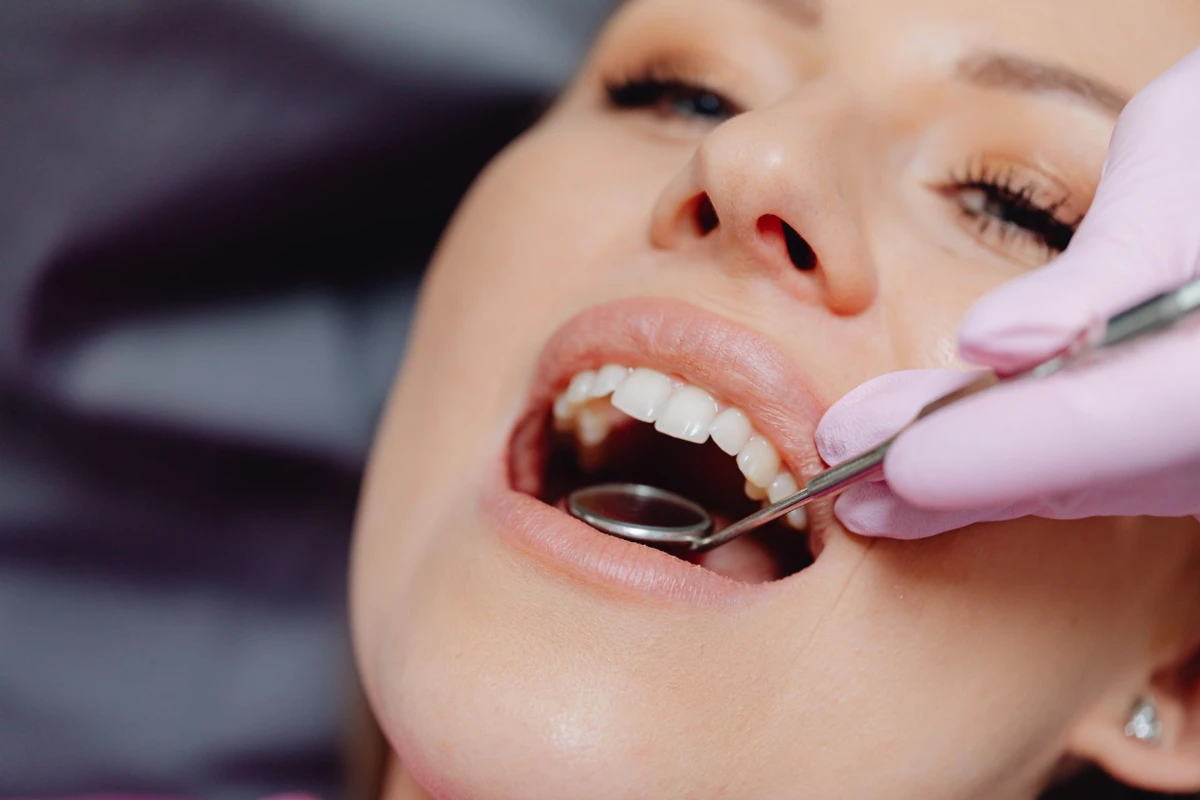
Yes, adults can receive dental sealants when deep grooves in healthy molars or premolars are difficult to clean, and there is no untreated decay. Dental sealants in downtown Vancouver may suit selected adults who would benefit from extra protection on these chewing surfaces. Age alone does not determine whether a sealant is appropriate.
Sealants are thin protective coatings, not substitutes for fillings or daily oral hygiene. A dentist first examines the tooth to confirm the surface is suitable and that sealing addresses the actual concern. The recommendation should reflect cavity risk, enamel condition, and existing restorations. Suitability depends on the tooth, not the patient’s age.
Why Do Deep Grooves Need Extra Attention?
The chewing surfaces of molars and premolars contain small pits and fissures. Some grooves are so narrow or so deep that plaque removal is difficult, even with consistent brushing. If bacteria remain in these areas, the risk of decay may increase.
A sealant is a thin protective coating placed over selected grooves. It creates a smoother surface that is easier to clean and helps keep food and plaque from settling into the deepest areas. It complements fluoride toothpaste and daily oral hygiene rather than replacing them.
When Do Dental Sealants for Adults Make Sense?
Dental sealants for adults may be considered when a natural tooth has deep grooves that are free of decay and suitable for sealing. Other relevant factors include a history of cavities, difficulty keeping the chewing surface clean, and the overall condition of the enamel.
Sealants are not automatically recommended for every adult. If decay is already present, the tooth may need a different form of treatment. A filling or other restoration can also change whether a sealant is appropriate for that surface.
What Are the Benefits of Sealing Deep Grooves in Teeth?
The benefits of sealing deep grooves in teeth may include a smoother chewing surface and added protection in selected high-risk areas. Sealants do not make a tooth immune to cavities, and decay can still develop on other surfaces or around a restoration.
Dental sealants near you protect only the treated grooves; they do not cover every surface of a tooth. Decay can still develop between teeth, near the gumline, or around a restoration. Brushing with fluoride toothpaste, cleaning between teeth, and attending regular examinations remain important.
How Are Sealants Applied and Maintained?
The tooth is cleaned and prepared so the material can adhere to the chewing surface. The dentist then applies the sealant to the selected grooves and lets it set according to the material’s instructions. The process is generally straightforward, but the exact steps depend on the tooth and product.
A dentist in downtown Vancouver can check whether a particular groove is suitable and review the condition of any existing filling. The recommendation should be based on the tooth’s condition and risk of decay, not age alone.
Sealants can wear, chip, or partially come away. Check them during routine dental examinations. If a sealant needs repair or replacement, the decision depends on how much remains and the tooth’s condition.
Do Sealants Replace Fluoride and Daily Cleaning?
No. Sealants protect selected pits and grooves, but they do not cover every surface of a tooth. Decay can still develop between teeth, near the gumline, or around an existing restoration. Fluoride toothpaste, daily interproximal cleaning, and regular examinations remain important parts of prevention.
The material should also be checked over time because chewing can wear or chip it. If part of a sealant is missing, the dentist at a dental clinic near you can decide whether the surface needs repair or whether the remaining protection is adequate. Monitoring helps keep prevention aligned with the tooth’s current condition.
Consider Preventive Protection for Your Back Teeth
Deep grooves can be hard to clean, even with a careful routine. Book a consultation with Key Dental Clinic to discuss cavity risk and whether selected teeth are suitable for sealants. Preventive choices work best when matched to each tooth’s condition.
FAQs
Can adults get dental sealants to prevent cavities?
Yes. Adults may benefit when natural molars or premolars have deep grooves, and the chewing surfaces are free of decay. A dentist first checks the tooth’s condition and cavity risk. Sealants can provide additional protection, but they do not replace fluoride toothpaste or regular dental cleanings.
When are dental sealants recommended for adults?
They may be considered when an adult has deep pits or fissures that are difficult to clean, especially if there is a history of cavities. The tooth must be suitable for sealing. Existing decay, fillings, or other restorations can change the recommendation.
How long do dental sealants last in adults?
Sealants can last several years, but their lifespan varies with chewing forces, oral habits, and the material used. They may wear or chip over time. A dentist can check their condition during routine exams and decide whether they need repair.
Can dental sealants be applied to teeth with existing fillings?
Sealants are generally intended for suitable natural chewing surfaces. If a tooth already has a filling, the remaining enamel and restoration design need assessment. A filling may already cover the vulnerable area, or another preventive or restorative approach may be more appropriate.