



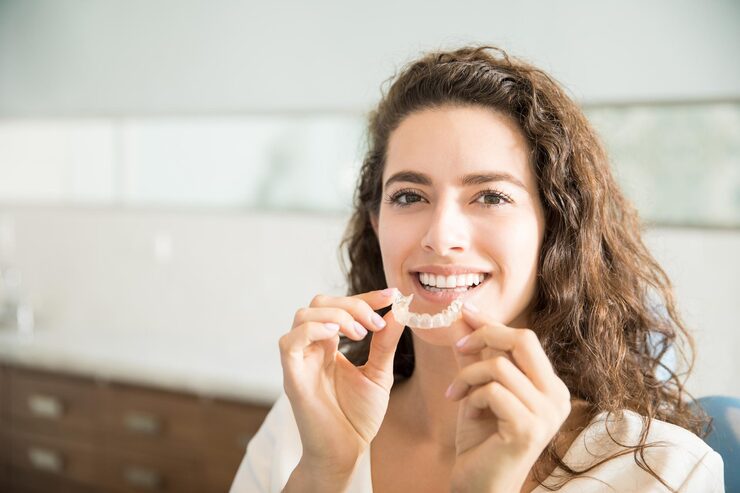
Grinding or clenching your teeth during sleep can put extra pressure on your teeth and jaw. Over time, this may cause worn teeth, jaw soreness, headaches, or damage to existing dental work. A night guard in Downtown Vancouver can help protect your teeth by creating a barrier between your upper and lower teeth while you sleep.
Night guards are available in hard, soft, and dual-laminate materials. Each type offers different levels of firmness and comfort. The right choice depends on how strongly you grind your teeth, your bite, your dental work, and your personal needs. A night guard may not stop grinding, but it can help reduce damage to your teeth.
Hard vs Soft: What Is the Difference?
Choosing a hard vs soft night guard for teeth grinding is not simply a choice between comfort and strength. Each design has trade-offs; fit matters as much as material.
- Hard Guards: A rigid surface can be adjusted to the bite but may take time to get used to.
- Soft Guards: Flexible material may feel comfortable initially, but can wear under strong grinding forces.
- Fit and Design: Thickness, coverage, and bite adjustment affect function and comfort.
Neither type suits everyone. A poorly fitting guard may cause discomfort, so follow-up matters.
When Might a Dual-Laminate Guard Help?
A dual-laminate night guard for teeth grinding combines a softer inner layer with a firmer exterior. It may balance comfort and durability for selected people, but suitability depends on the design, bite, and grinding force. It is not automatically better than a single-material guard.
Existing crowns, fillings, jaw symptoms, and tooth wear also influence the choice. Do not select or change a guard based on material alone.
Why Custom Fit Matters
If you are looking for a night guard near you, it is important to seek a consultation first rather than selecting a shelf product on your own. Custom appliances are shaped to the teeth and can be adjusted for fit, pressure points, and bite. Ready-made guards may fit less precisely and can be difficult to adjust.
Assessment and Follow-Up
A dentist in Downtown Vancouver can check tooth wear, jaw symptoms, bite, and existing restorations before recommending a guard. Mention morning headaches, jaw discomfort, cracked teeth, or changes to dental work, as these symptoms may have several causes.
After fitting, follow wearing and cleaning instructions. Arrange a review if the guard feels uneven, causes persistent soreness, becomes loose, or no longer fits. Do not reshape it yourself.
Cleaning and Caring for a Night Guard
A dental clinic near you can demonstrate care for your appliance. Usually, clean it as directed, let it dry before storage, and keep it in a ventilated case.
Avoid hot water and harsh cleaners unless approved. Bring it to reviews so fit and wear can be checked. Stop using a cracked guard and contact the dental team for advice.
Choose Protection That Fits Your Needs
The right guard balances protection, comfort, and fit. An assessment can help identify a suitable design and when it should be reviewed.
Schedule a consultation with Key Dental Clinic to take a practical step towards protecting your teeth with an appliance suited to your needs.
FAQs
What is the difference between hard, soft, and dual-laminate night guards?
Hard guards are rigid, soft guards are flexible, and dual-laminate models combine both layers. Choice depends on bite, wear, restorations, and comfort.
Which type of night guard is best for teeth grinding?
No material is best for everyone. A dentist considers grinding, tooth condition, bite, and whether you can wear the guard consistently.
Can a soft night guard make teeth grinding worse?
A soft guard does not automatically worsen grinding. If symptoms change, arrange a review rather than assuming the material is responsible.
How long does a custom night guard typically last?
Lifespan varies with material, grinding force, care, and fit. Reviews can identify damage that needs repair or replacement.