


A missing tooth changes more than your smile. It changes how you eat and how you speak and quietly affects your confidence in ways you might not notice straight away. Many people assume that if the missing tooth is not visible, it is not a priority.
But every missing tooth — whether front or back — has consequences for the surrounding teeth, the jawbone, and your overall oral health.
Understanding the benefits of replacing missing teeth with dental bridges helps you see why taking action sooner rather than later is always the wiser choice. If you are looking for trusted dental bridges in Downtown Vancouver, this guide covers everything you need to know in plain, easy language.
What Is a Dental Bridge?
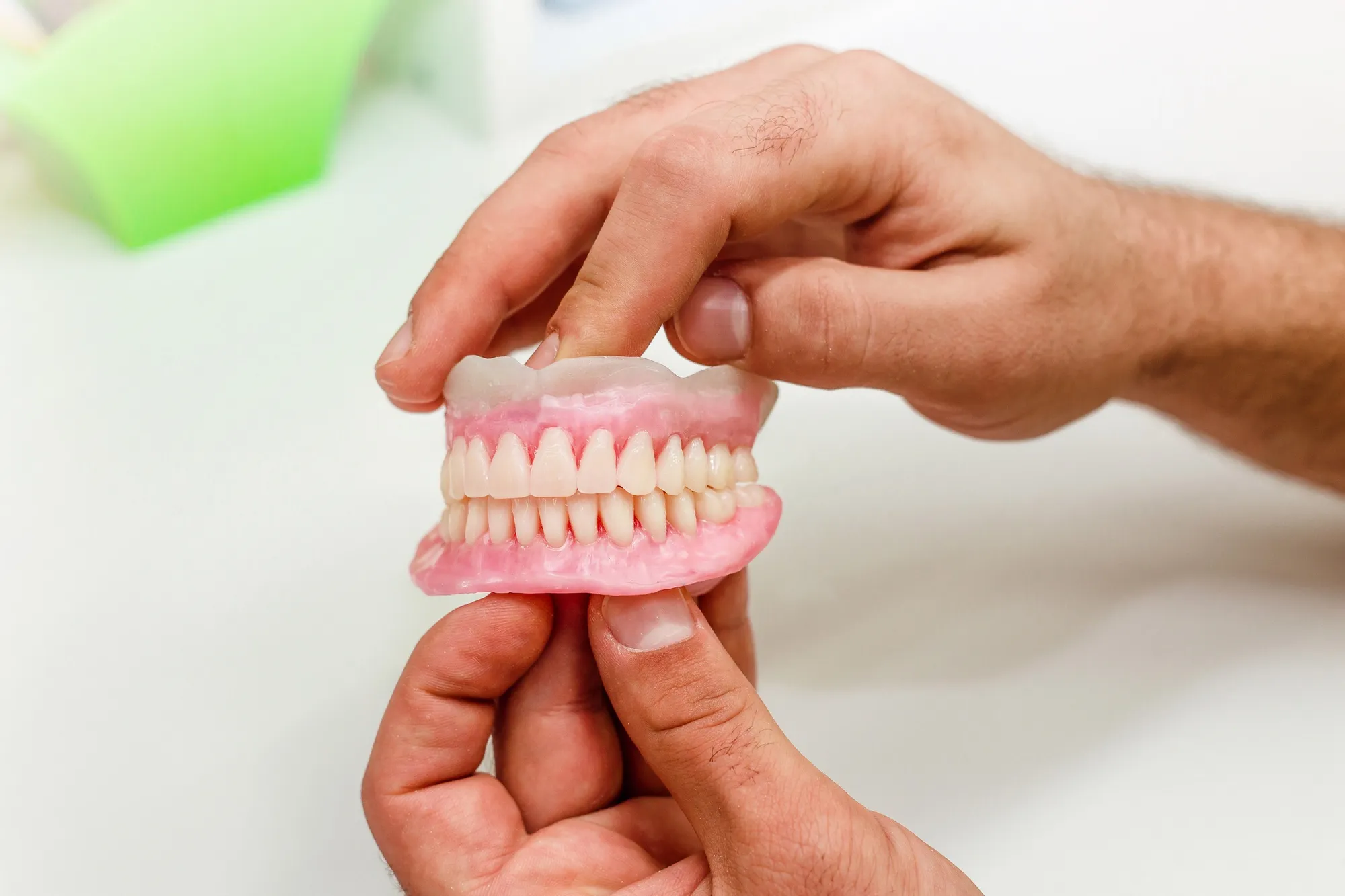
A dental bridge is a fixed dental restoration that fills the gap left by one or more missing teeth. It consists of:
- Anchor crowns — placed over the healthy teeth on either side of the gap
- Pontic — the artificial tooth in the middle that fills the empty space
The bridge is permanently cemented into place. It does not come in and out like a denture. Once fitted, it looks, feels, and functions just like natural teeth.
How Dental Bridges Restore Your Smile
Understanding how dental bridges restore your smile goes beyond simply filling a visible gap.
A well-fitted bridge:
- Restores the natural appearance of your smile
- Brings back your ability to chew and bite evenly
- Improves speech affected by missing teeth
- Prevents neighbouring teeth from drifting into the gap
- Supports the natural contours of your face
- Gives you the confidence to smile, laugh, and eat without self-consciousness
The transformation is immediate — and for most patients, it is genuinely life-changing.
The Key Benefits of Dental Bridges
Restoring Full Chewing Function
When a tooth is missing, chewing becomes uneven. People naturally avoid using that side of the mouth, which places extra stress on the remaining teeth and can cause uneven wear over time.
A bridge restores full bilateral chewing. Both sides of the mouth share the load equally again, protecting the remaining teeth from excessive pressure and wear.
Preventing Teeth From Shifting
This is one of the most important benefits patients often overlook.
Without a tooth to hold the space, the teeth on either side gradually drift toward the gap. The tooth above or below the gap may also begin to overerupt—moving out of its natural position.
Over time, this shifting causes bite problems, makes teeth harder to clean, and can lead to further decay and tooth loss. A bridge holds everything in place by filling the gap before this shifting can occur.
Supporting Facial Structure
Teeth support the natural shape of the face. When teeth are missing — especially multiple teeth — the face can begin to look slightly sunken or aged in that area over time.
A bridge maintains the natural contours of your face by filling the space and keeping the surrounding structure supported.
A Fixed, Non-Removable Solution
Many patients specifically choose dental bridges near you because they want a solution that stays in place—no removal, no adhesives, and no daily maintenance rituals.
Once a bridge is fitted, it becomes a permanent, stable part of your mouth. You brush and floss it just like your natural teeth and go about your life without thinking about it.
More Accessible Than Dental Implants
Dental implants are an excellent option — but they involve surgery, a longer treatment timeline, and a higher cost.
Dental bridges offer comparable functional and aesthetic results at a more accessible price point, with a shorter treatment timeline and no surgical procedure required. For patients who want reliable, natural-looking tooth replacement without the complexity of implants, bridges are an outstanding choice.
What to Expect During the Bridge Placement Process
Getting a bridge typically takes two appointments.
First appointment:
- The anchor teeth are gently prepared—a thin layer of enamel is removed to create space for the crowns
- Local anesthetic is used throughout for complete comfort
- Precise impressions or digital scans are sent to the dental lab
- A temporary bridge protects the teeth while the permanent one is made—usually one to two weeks
Second appointment:
- The permanent bridge is checked carefully for fit, colour, and bite
- Fine adjustments are made before cementing
- The bridge is permanently bonded into place
- The bite is checked, and the bridge is polished to a smooth finish
Most patients are genuinely surprised by how natural and comfortable the bridge feels from day one.
Finding the Right Care Close to Home
If you have been living with a missing tooth and want to understand your options, speaking with a knowledgeable team at a dentist in Downtown Vancouver is the best first step. The sooner a missing tooth is replaced, the less opportunity there is for neighbouring teeth to shift, bone to be lost, or bite problems to develop.
A trusted dental clinic near you will assess your overall oral health, the condition of your anchor teeth, and your bite before recommending any treatment—ensuring the approach is right for your specific situation.
Restore Your Smile With Confidence — Key Dental Clinic Is Here for You
A missing tooth is not something you simply have to accept. With the right treatment and the right team, restoring your smile can be a straightforward, comfortable experience that delivers results you will love for years.
When you choose to walk through our doors at Key Dental Clinic, you are not simply becoming a patient—you become family to an experienced team that truly understands what it takes to regain a smile that makes you feel whole. From start to finish of your journey to restoring your oral health and aesthetics, we are by your side, ready to educate you and offer the sincere guidance that makes all the difference.
Call our office today to book your appointment and begin living without hesitation.
Looking for dental bridges in Downtown Vancouver? Visit Key Dental Clinic for personalized tooth replacement options and restorative dental care.
Frequently Asked Questions
Q1: What are the advantages of having tooth replacement through bridges?
Dental bridges replace lost chewing ability, stop adjacent teeth from drifting, hold the face up, make speech easier, and offer a fixed, natural-looking result which does not need to be removed and does not use glue.
Q2: How long do dental bridges typically last?
With proper care and regular dental checkups, a well-placed bridge typically lasts between 10 and 15 years—and many last significantly longer depending on the materials used and how consistently the surrounding teeth and gums are maintained.
Q3: Am I a good candidate for a dental bridge?
Most patients with one or more missing teeth and healthy teeth on either side of the gap are good candidates—your dentist will assess your gum health, bite, and overall oral condition to confirm whether a bridge is the right fit for you.
Q4: How do I ensure good dental hygiene and upkeep with my bridge?
Be sure to brush two to three times a day with a soft-bristled toothbrush, floss under your bridge every day (this might require a floss threader and also may be easiest with the help of a water flosser), avoid chewing foods that can be excessively hard or sticky, and see your dentist for check-ups on an ongoing basis so that they can observe how your bridge and anchor teeth are doing.